Compared to Chinese, English has significant underlying logical issues, which is becoming an increasingly widespread consensus.
Not only because the current training of AI technology has revealed the vast vocabulary of English, but also because experts and scholars who previously often compared it with Chinese have discovered that,Many words in English are considered "dead words."
The vocabulary of English is truly vast, with new and old words combined soon approaching one million. The constant emergence of new words leads people to continuously memorize and learn. This results in those who are not professionals being completely clueless when faced with newly appearing vocabulary.

Chinese has a huge advantage in this regard, but on today's internet, English content far surpasses Chinese content. In other words, from a linguistic perspective, English itself has many flaws, yet in practical applications, the proportion of English usage and the information and content it carries are rapidly increasing.
Why does this happen? Today, let's talk about the differences in usage between English and Chinese, as well as their respective advantages and disadvantages.
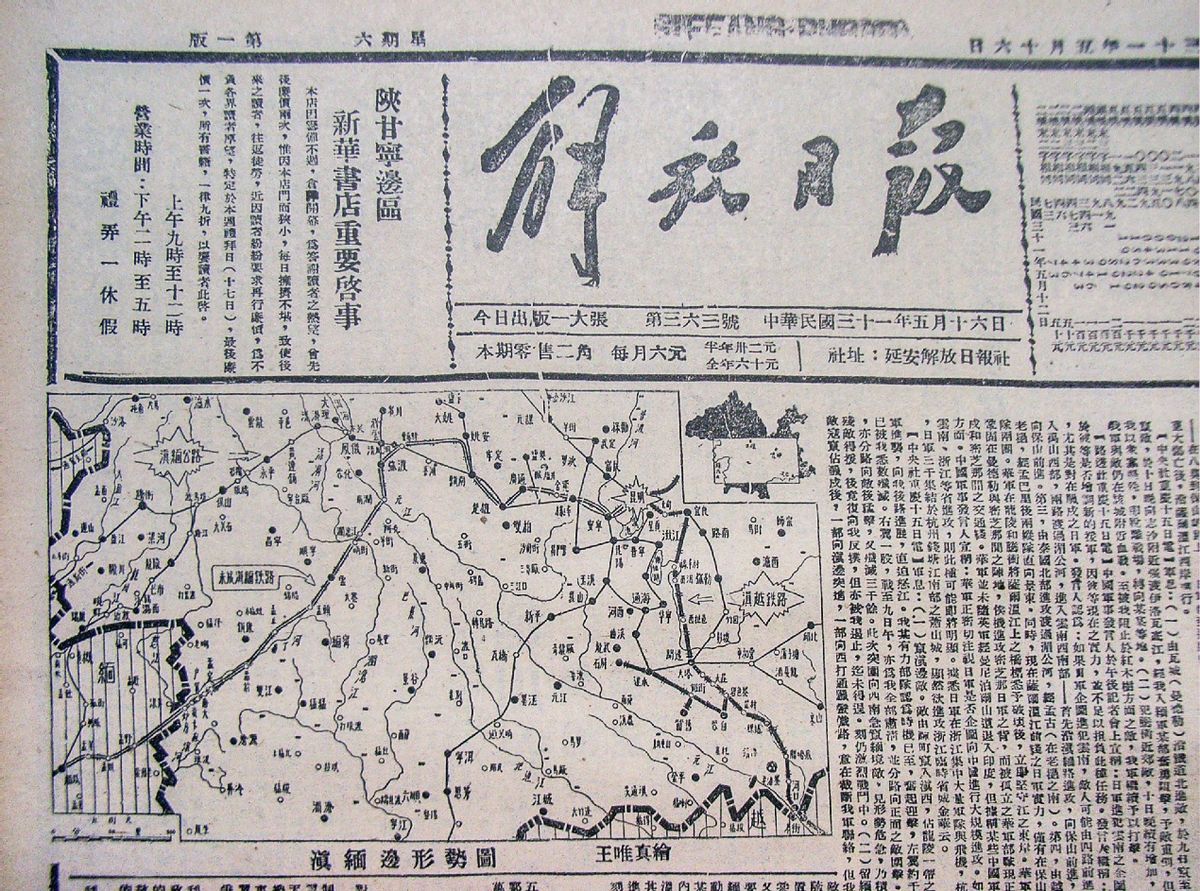
The two most influential languages
From the perspective of language experts, a simple comparison between Chinese and English is meaningless. However, some believe that from the standpoint of language usage, the most influential languages in the world today are Chinese and English.
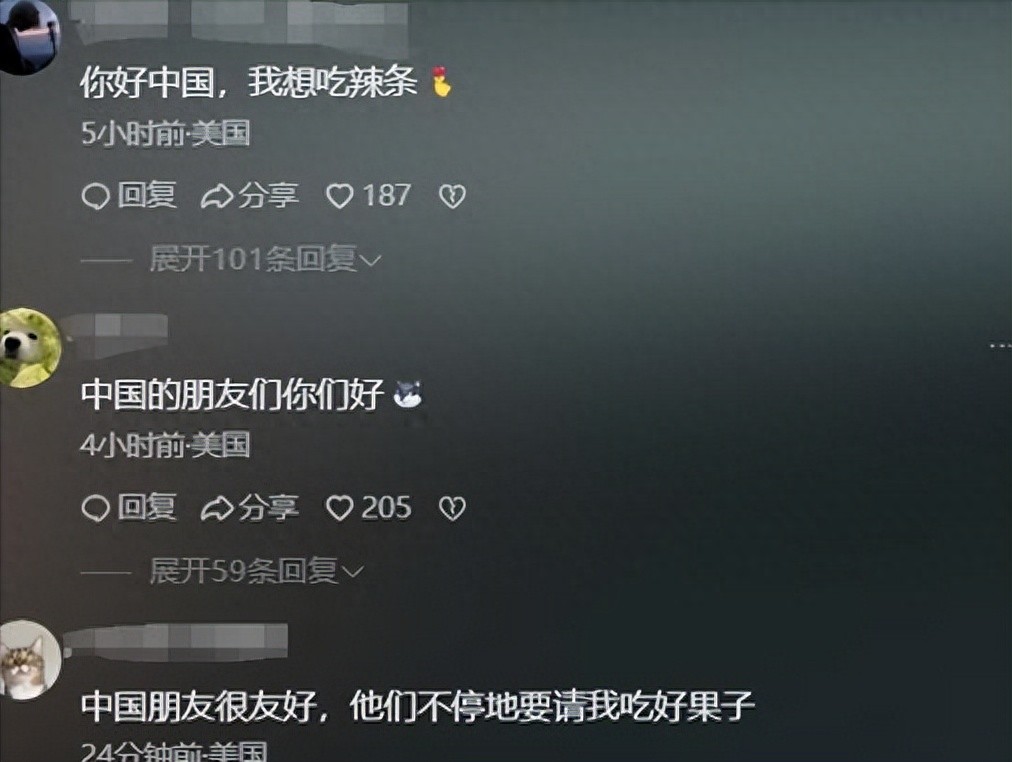
Especially in countries with less commonly spoken languages, their internet users basically cannot find information and content in their own language online, because a large amount of internet information is either disseminated in English or in Chinese. Therefore, some foreign netizens envy the Chinese, feeling that Chinese people can conveniently search for various information online without deliberately learning a foreign language.

This makes sense in terms of logic and the scope of language usage. Even over 20 years ago, the populations influenced by English and Chinese accounted for more than half of the world's population. Whether speaking English or Chinese, communication is so frequent that even without the intention of comparison, various comparisons are inevitably made between the two.
This once again illustrates the significant influence of both languages. From the perspective of beginners, learning English appears to be somewhat simpler and easier than learning Chinese.

For example, in the United States, the average high school student may have a vocabulary of around 3,000 words, with a maximum not exceeding 3,500. Learning these words is sufficient to meet daily life needs and enable normal reading.
It seems that the vocabulary to be mastered is not extensive, but English has one major drawback: if a person wants to engage in deeper learning or writing, or wishes to acquire some specialized knowledge, the words memorized under normal circumstances are completely insufficient.

What does this mean? Let's continue with the comparison.
The Selected Works of Mao Zedong with less than 3000 Chinese characters
In China, the vocabulary of Chinese language mastered by middle school students and college students is basically the same. Although they may encounter some new specialized vocabulary after entering college, the scale of these terms is limited. Most importantly, even middle school students can sometimes understand the specialized vocabulary used in college.

However, English is completely different. The curriculum between middle school and university is almost like a biological barrier, with many new vocabulary words that students must memorize by rote before they can engage in specialized learning. This is one of the shortcomings of English.
Compared to Chinese and Chinese characters, English has a low repetition rate, which leads to the need for a completely new vocabulary to express each new thing or concept, and this new vocabulary often has no connection with past vocabulary.
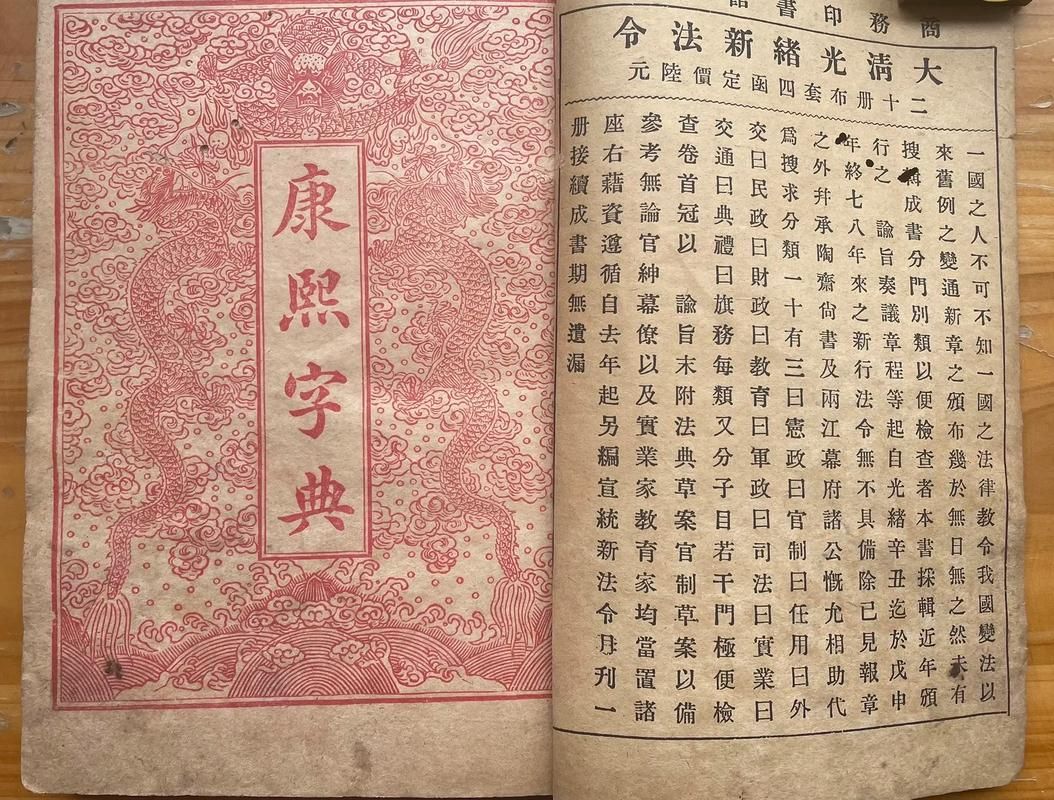
In contrast, the reuse rate of Chinese characters is extremely high. Throughout history, the number of accumulated Chinese characters has reached tens of thousands. For example, the Kangxi Dictionary contains over 40,000 characters, but from ancient times to the present, the most commonly used characters are only around 3,500.
Think carefully, whether it's courses in humanities or science and engineering, the Chinese characters and words used are basically the most common ones. As long as someone can read easily, even without having studied any specialized knowledge, they can recognize these words.
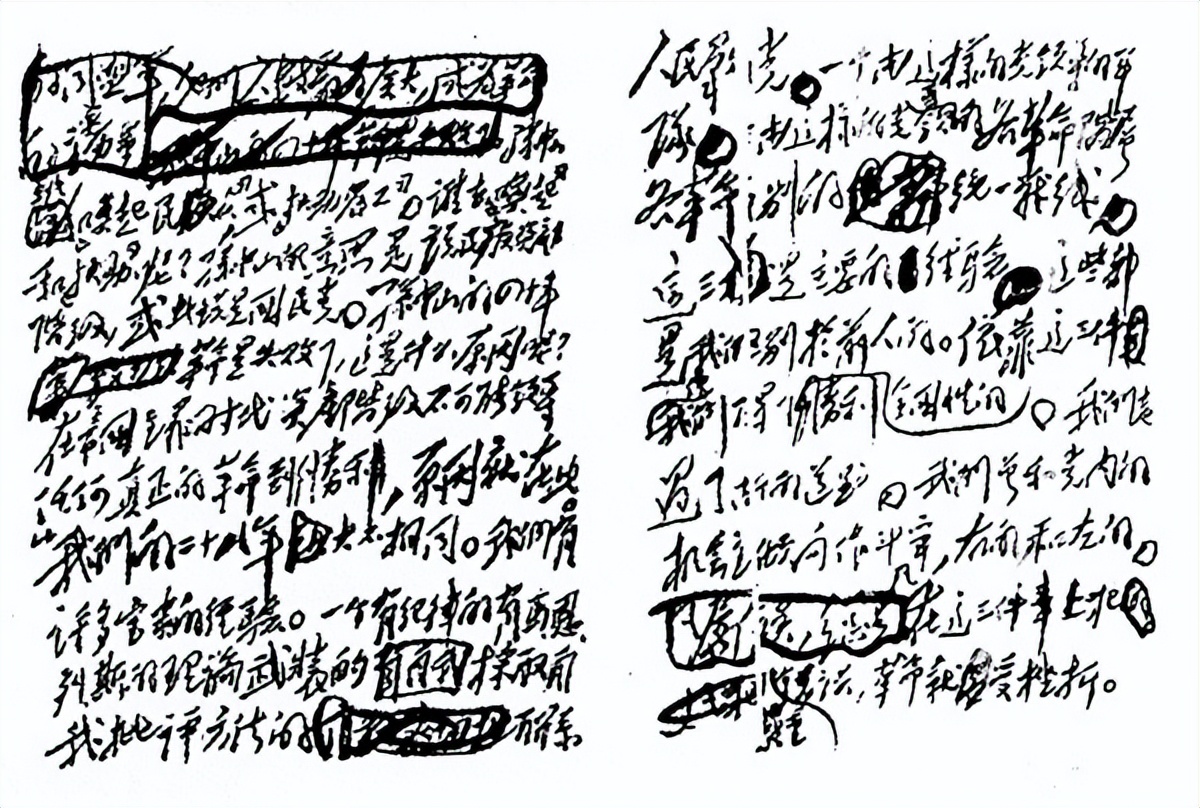
Take the simplest example, there are over a million words in the Selected Works of Mao Zedong, covering a wide range of knowledge, yet the entire collection uses fewer than 3,000 Chinese characters.
Another example is "Quotations from Chairman Mao Zedong," a thin booklet with very few words. However, those who studied it in their early years, especially those who became literate through this booklet, found it no problem at all to read other content afterward, even relatively specialized material.

This is the characteristic of high repetition rate of Chinese characters, similar to compressed files in computers, which makes the transmission and storage of information more efficient using Chinese characters. This is why the same content, if written in English, actually occupies more space in a text document.
Never think this is a minor issue, as when these languages and scripts are applied in real society, significant differences will become apparent.

American high school students are illiterate.
Whether Chinese or American, the higher the education level, the larger the vocabulary one generally masters. Especially for Americans, if they attend college, they must acquire a greater number of new words to continue their studies.
Therefore, in this way, compared to high school students in our country, American high school students are completely illiterate, and this is by no means an exaggeration.

For example, both having graduated from high school and not attending university, but instead going to work in a factory, Chinese high school graduates are able to understand mechanical operation manuals and recognize a large amount of written introductions.
American graduates may not even understand basic mechanical manuals because there are too many unfamiliar words in the instructions, and these new terms are not taught at all during high school. In such cases, to acquire skills and comprehend the manuals, American high school students must relearn new vocabulary.
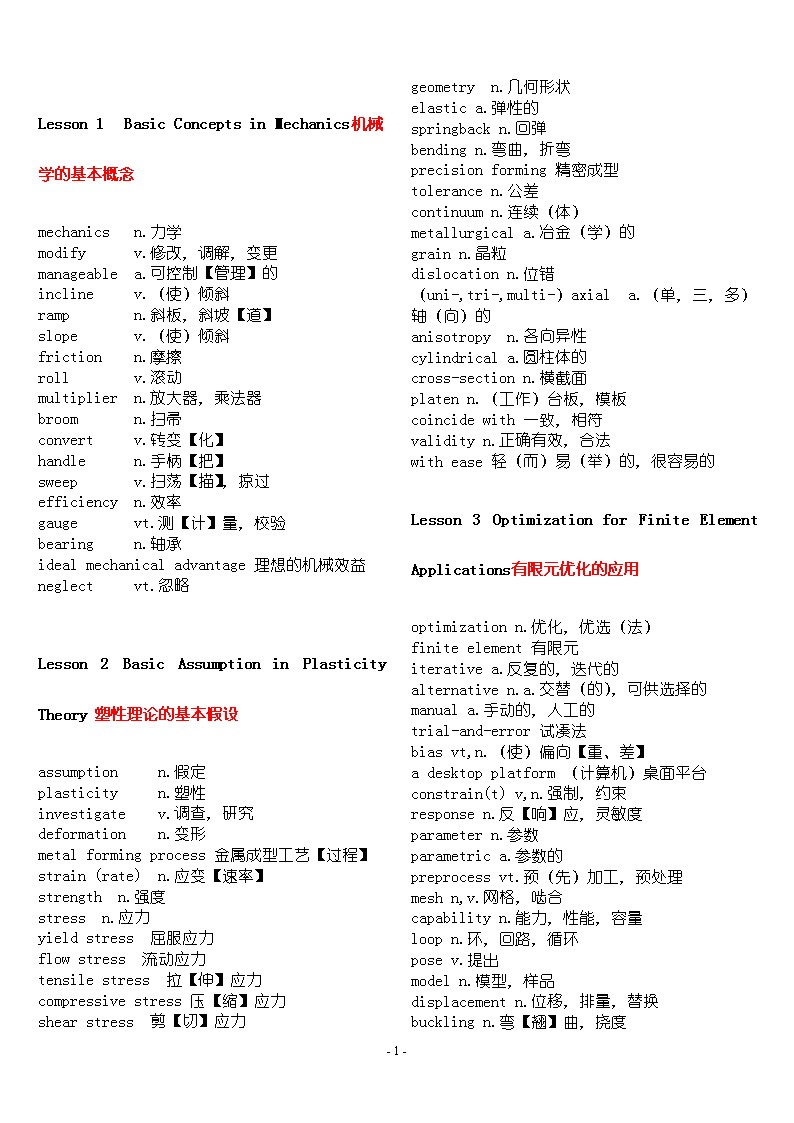
Even for college students, if their majors differ, many American students are similarly illiterate and do not understand the vocabulary of other fields, while Chinese college students excel in this regard. Even without deep knowledge of other disciplines, they can easily engage in simple communication or understand basic books without any issues.
Therefore, for Americans who communicate in English on a daily basis, if they want to acquire more new knowledge, they almost have to learn new vocabulary every day, and these new words often have no connection with the old ones.
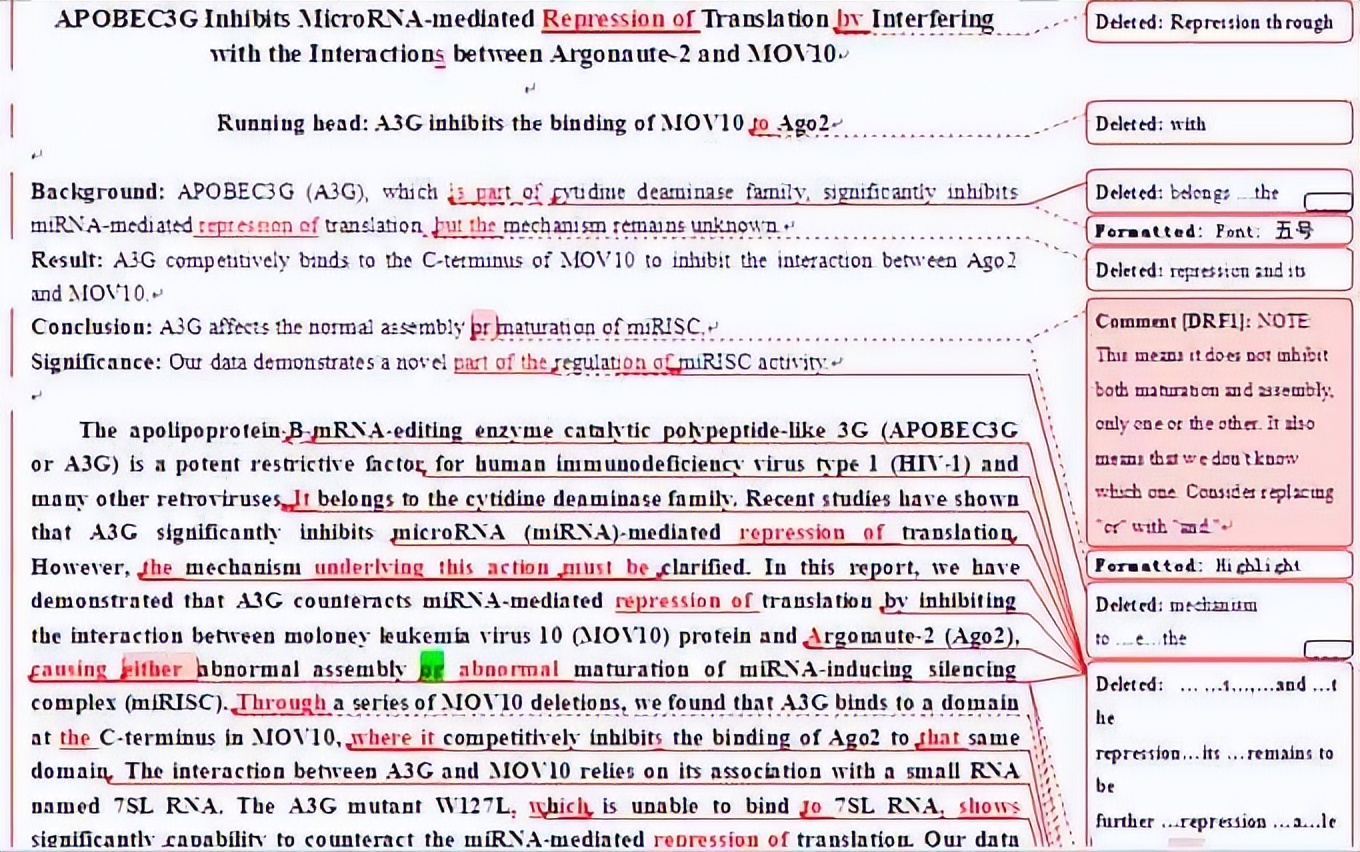
This leads learners to have to memorize by rote; otherwise, you cannot master a new skill. Even if it's not about mastering a skill, but simply communicating and understanding information, without mastering vocabulary, it is also impossible to proceed.
The most crucial point is that as the vocabulary continues to grow, outdated words are bound to be gradually abandoned and forgotten by people. Over time, modern individuals will find it impossible to interpret the content and information from the past.

The history of literature recorded in English is dead.
Go ask an English person and see if they can still speak the dialogue from Shakespeare's time. Or give them a parchment scroll and see if they can understand the text on it. Most likely, they won't understand because there are many unfamiliar words that modern English people have no idea about.
This is not the case with Chinese. Even historical documents from over 2,000 years ago, even those recorded in classical Chinese, can be largely understood by modern people, at least in terms of recognizing the vocabulary.

This is the problem with English. Due to its limited capacity to carry information, English has to create different vocabulary in each era to express new things and concepts of that time. The times are always progressing, and some concepts will be abandoned after a few hundred years, and the vocabulary representing these concepts will also be forgotten.
Therefore, all professionals who speak English must constantly master new words, some of which are newly coined in modern times, while others belong to historical vocabulary. They must remember them all to ensure that their professional research does not encounter issues.

Many documents recorded in English are essentially dead; apart from professionals, ordinary people not only struggle to understand them but also face significant obstacles in simply reading them. Chinese does not have this issue. Much historical content can be roughly understood by ordinary people through the characters they have mastered.
This is the efficiency of Chinese language and characters, which English does not possess. As a result, in modern society, ordinary people have to learn some new words every day; otherwise, they might even confuse countries.

For example, when Australia hosted the Olympic Games, some Americans ended up going to Austria. Another example is that many Americans look at world maps and simply cannot distinguish the names of those countries. This is because the names of these countries are newly coined words, and if one wants to remember them, they have to specifically memorize and study them. Just think about it—how many people are willing to engage in specialized learning after leaving school?
So some people complain that English is actually a language for the foolish, with significant flaws in expression. Whenever a new thing or concept emerges, a new vocabulary must be created to express it. Why does the English vocabulary keep growing? Isn't it because the number of newly coined words has been increasing over the years?

Therefore, in the field of AI research, experts in the technology sector believe that Chinese will be the most advantageous tool in the future, as it carries information and expressive power more efficiently. English is considered too cumbersome, bloated, and content-heavy, ultimately slowing down efficiency.
Although the advantages of Chinese are obvious, we also have to face another phenomenon.

The usage of English continues to increase
There is a viewpoint online that Chinese content in the internet world is rapidly shrinking. According to the ranking of language usage on web pages worldwide, English ranks first, while Chinese only ranks 13th. Even Japanese, Turkish, and Persian are used more frequently than Chinese.
That is to say, English content in the online world continues to expand, while Chinese content is declining. Statistical data shows that the proportion of Chinese web pages was 4.3% in 2013 but has already dropped to 1.3% in 2024, indicating a sharp contraction of Chinese internet content.
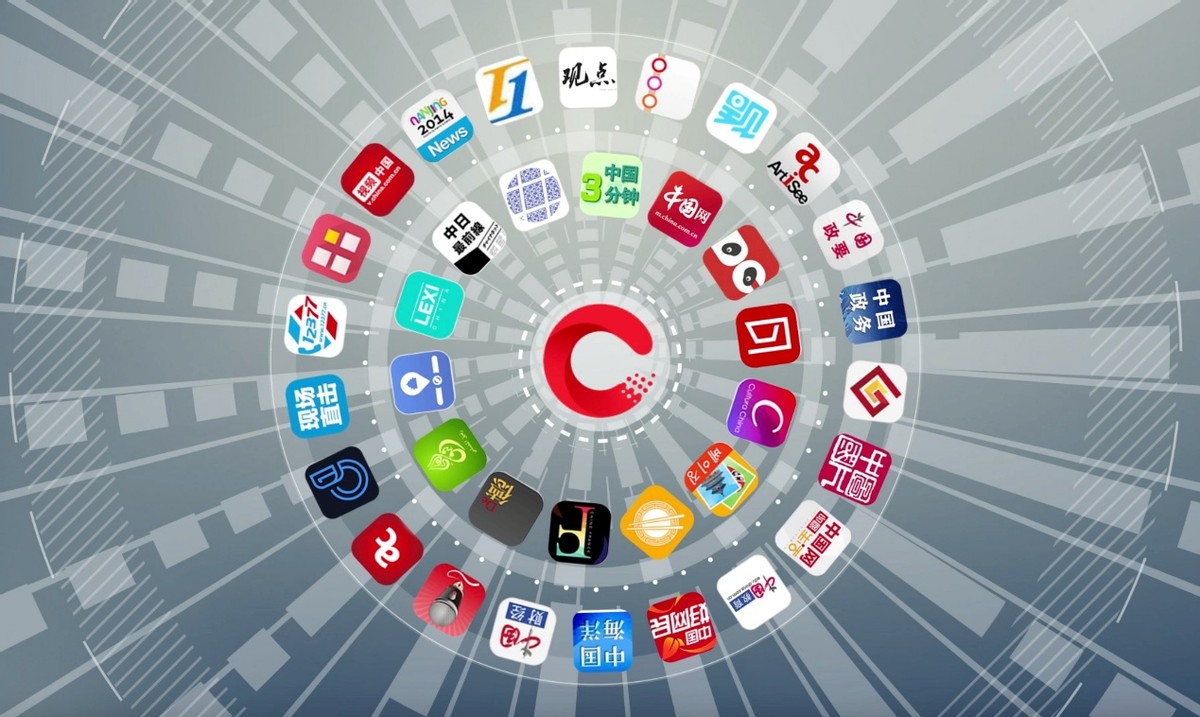
One perspective suggests that this is due to various internet content producers adopting strategies of enclosing information, such as requiring mandatory account login to view content. As a result, search engines are unable to retrieve information from these platforms, leading to a continuous decline in content availability.
There is also a viewpoint that the number of Chinese internet websites is actually declining, with a large number of websites disappearing, and naturally, content ceases to exist. For ordinary netizens, since they can now receive massive amounts of information through one or two internet applications, and they rarely use search engines in their daily lives, they do not perceive the ongoing shrinkage of Chinese internet content.

As for English, the number of English websites and web pages is still increasing, which objectively leads to a higher usage of English internet content. Additionally, the efficiency of English in spreading and carrying information is inherently low, which objectively results in a larger actual scale occupied by English content.
It can also be understood this way, although English has many flaws, there are indeed many people using English to create more internet content and information, and over time, such information will continue to increase.

Conclusion
From a purely linguistic perspective, Chinese indeed possesses many advantages. However, the issue lies in the fact that if the number of people using Chinese to create information and content is decreasing, and if the amount of information disseminated in Chinese is diminishing, then no matter how many advantages Chinese has, it will still be overshadowed by English.
Therefore, regarding the future of the internet and new technologies, we must not only recognize the advantages of using the Chinese language but also pay attention to the extent of its dissemination and usage. Ultimately, if a language is not used sufficiently, it will eventually be left to gather dust.

A language, even with many flaws, will possess vigorous vitality as long as it is widely used and carries a sufficient amount of content created through it.