Why are Chinese characters more advantageous compared to other writing systems
Many authors of articles have summarized quite well, but they haven't fully explained the advantages of Chinese characters. Why is the intelligence of Chinese people generally high? Why have there been so many geniuses throughout history, such as Jiang Ziya, Zhang Liang, Zhuge Liang... Why is it that only China has works like "The Art of War" and "Guiguzi"... Why is Chinese poetry so beautiful and profound? This is the result of China's thousands of years of culture. The core of culture is thinking, and Chinese characters are the most efficient tool for thinking.
As is well known, Chinese characters are ideographic, while Western writing is phonetic.
Phonetic and ideographic writing systems each have their own advantages and disadvantages. The advantage of phonetic writing is its simplicity and ease of learning; by mastering just over twenty letters and phonetic rules, one can read and write.
Ideograms are quite complex and those who do not understand them even consider this writing system inefficient During the May Fourth New Culture Movement faced with the huge gap between China and the West intellectuals reflected on the reasons for China's backwardness and reached a conclusion Chinese characters were a stumbling block to China's modernization
Nobel laureate Russell once pointed out three major shortcomings of Chinese characters: their complex structure leads to high learning costs, the lack of a fixed sorting system affects retrieval efficiency, and they are prone to distortion when translating foreign words and scientific terms.
At that time, Chinese characters were almost abolished.
The celebrities who advocated for the abolition of Chinese characters are all well-known figures we are familiar with, such as Qian Xuantong, Lu Xun, Qu Qiubai, Fu Sinian, and others. Of course, it is understandable how people felt at that time, as China was being completely overwhelmed by the West, and it was natural to experience severe self-doubt.
Facing the overwhelming tide of abolishing Chinese characters, Zhao Yuanren, a linguistics professor at Tsinghua University, created "The Story of Mr. Shi Eating Lions," a short essay written entirely with Chinese characters that share the "shi" sound. The entire text consists of 92 characters and tells the story of a person surnamed Shi who eats lions.
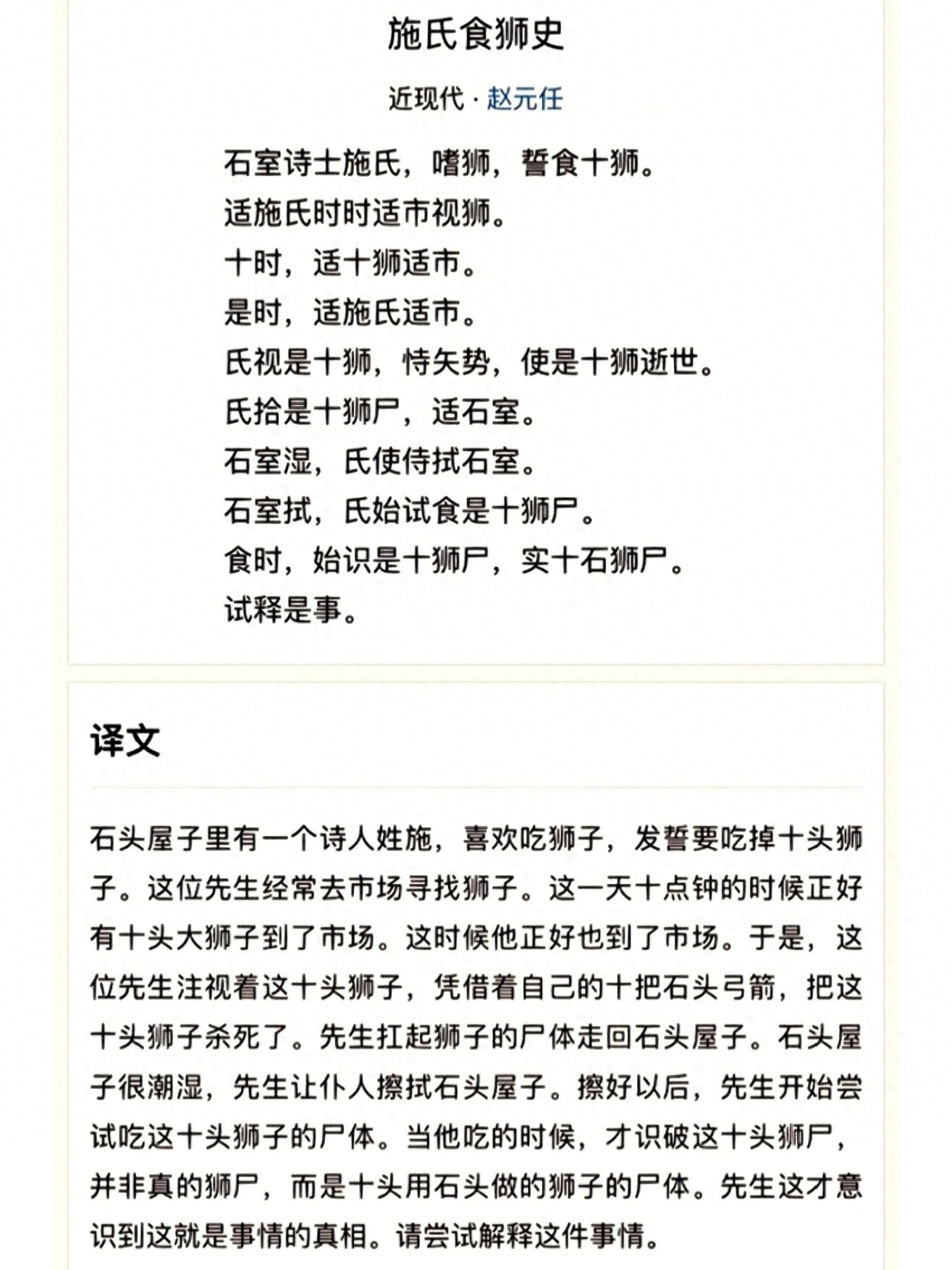
If written in pinyin or Latin letters, the entire article would be almost entirely "shi," making it completely incomprehensible, but when written in Chinese characters, the meaning becomes clear and understandable.
Once published, this article immediately caused a sensation in the academic world. For the first time, those who supported the abolition of Chinese characters realized that the combination of form and meaning in Chinese characters has an irreplaceable advantage in dealing with homophones.
Reality is also like this, for phonetic Korean, on Korean ID cards, in order to accurately distinguish homophonic Korean names, Chinese names must be annotated.
This is in terms of pronunciation.
Some articles point out that with the development of civilization, a large number of new things emerge. Phonetic English can only continuously create new words, while Chinese characters only need to arrange and combine existing characters to form new words. The consequence of English constantly creating new words is a vast vocabulary that ordinary people simply cannot memorize. For some common vocabulary, ordinary people have no problem in daily life, but once it involves specialized fields and professional terms, disciplinary barriers arise. Crossdisciplinary communication becomes very difficult, and before communicating, one must first understand the vocabulary of the other discipline.
Human thinking can aim high and far, or it can delve deep and low. The consequence of this is that human thought can only go downward, delving into one or a few fields. We Chinese speak of integrating knowledge, and the consequence of using phonetic writing is that it becomes difficult to achieve this integration. It is like digging a well, continuously digging downward until you can no longer go up, and you cannot communicate with those digging other wells. You can only communicate with those digging the same well as you. The more people digging the same well with you, the more people you can communicate with, but only with those digging the same well.
Disciplines cause the differentiation of thinking. Fundamentally, what leads to the differentiation of thinking begins with the words of phonetic scripts.
When people create words, it's quite simple. When they see something they don't recognize, you in this place call it "ah-ah," while he in that place calls it "oh-oh." The words you create follow certain rules and gain recognition from those around you, so the word becomes fixed, and thus it is called English. The sounds he produces also follow certain rules and gain recognition from those around him, so the word becomes fixed, and it is called French. Moreover, you can also express these sounds in writing, using a pen to write them down. Thus, there are English-speaking countries, French-speaking countries, German-speaking countries, and countries that use this language or that language. However, there are connections between things. Is this interconnectedness reflected?
In English, the words cattle, cow, ox, bull, buffalo, and beef appear unrelated, yet they are all nouns related to cattle: cattle, cow, castrated bull, bull, buffalo, beef. Without visualizing them in the mind, it is difficult to see the connection between these words, and they become isolated vocabulary piled up in the brain.
Some people in English-speaking countries don't even know that raisins and wine are made from grapes. This is because the words "raisins," "wine," and "grape" are all related to grapes, but they look completely different, and their physical forms—raisins, grapes, and wine—are entirely distinct in appearance. How are they connected? Without exploring, no one would know. Unlike cows, at least when imagining them in the mind, their shapes are similar, and people can recognize their connections.
The essential difference between humans and animals lies in what? It lies in thinking. Humans possess language, enabling them to engage in abstract thinking and to recognize the essence of things and the internal connections between them through phenomena.
This means that the deeper and broader the understanding of the intrinsic connections between things, the stronger the thinking ability. Failing to recognize the connections between things, or recognizing only a few connections between things, results in weaker thinking ability.
Therefore, phonetic writing systems are easy to create and use in the early stages, allowing users to achieve rapid short-term prosperity. However, as civilization develops and vocabulary continues to expand, people will eventually struggle to handle the vast amount of information. This means that the more developed the world of phonetic writing becomes, the more fragmented human thinking will be.
This is one aspect, and next we will talk about the element of human thought: image.
There are two parts in the subjective world of our brain. The first part is the aspect of observing meaning and listening to phenomena. When facing something, we look at it with our eyes, listen to it with our ears, perceive it with our bodies, and understand what it is and what it is used for, then we attach a label to it. This part is called cognition. The second part is called the application of phenomena. Whether cognition can be applied well is related to your operating system. The operating system is thinking. This operating system of thinking processes the information you collect and outputs it, thereby creating influence in the objective world.
We humans have a very important ability that has been overlooked, and that is the ability to visualize. If we compare the human brain to a computer, the human brain is also an information processing system. Computers rely on converting numbers into images that we can understand, while our human brains rely on images for processing.
When we speak, we must make people's minds produce images, so-called words have substance, words have images. Yue Fei slapped the table, bang! He stood up, pointed at Qin Hui, gritted his teeth, and glared with wide eyes, you dog traitor!
Can you visualize in your mind?
The process of forming a representation in our minds is called 'words have images,' while making analogical reasoning between two things or analyzing causal relationships is called 'events have comparisons.' Together, they are referred to as 'image comparison.' Only when the imaging is clear can our technique of image comparison be effectively applied. If a person loses their key, the clearer the 'image' of the key in their mind—such as where it was lost and what the situation was at the time—the greater the possibility of finding it.
Detectives generally construct the scene in their minds and reason through it. Each of us constantly navigates between the past, present, and future, as well as the whole and the parts. Reasoning also requires backtracking, which means finding relationships between things based on the present, then working backward to identify any inconsistencies.
What does this have to do with Chinese characters?
Language is a tool to describe the world, and Chinese characters are based on pictographs, though they are not entirely pictographic, having evolved beyond their pictographic origins. Unlike phonetic writing systems, Chinese characters use the inherent textures of the world and sound to represent it.
Probably most people are not very clear about what writing is. In the Shuowen Jiezi, it is said that in ancient times, when Fuxi ruled the world, he looked up to observe the phenomena in the sky and looked down to observe the patterns on the earth. He observed the markings of birds and beasts and the suitability of the land, taking inspiration from nearby things and distant objects. Thus, he began to create the Eight Trigrams of the Yi Jing to illustrate the laws of nature. ... When Cang Jie first created writing, he based it on the forms of things, so it was called wen. Later, with the combination of form and sound, it was called zi. Wen represents the essence of things; zi refers to the proliferation and gradual increase of words.
It means that when the ancient ruler Paoxi governed the world, he observed the celestial phenomena above and the earthly phenomena below. He also examined the patterns of birds and beasts as well as the shapes of the land. Drawing inspiration from the human body up close and from objects afar, he then created the Eight Trigrams to represent the established images. ... When Cangjie first created writing, he largely depicted the forms of things based on their appearances, which is why it is called wen. Later, the combination of form and sound components came to be called zi. Wen represents the inherent phenomena of things, while zi are derived from wen and gradually multiplied.
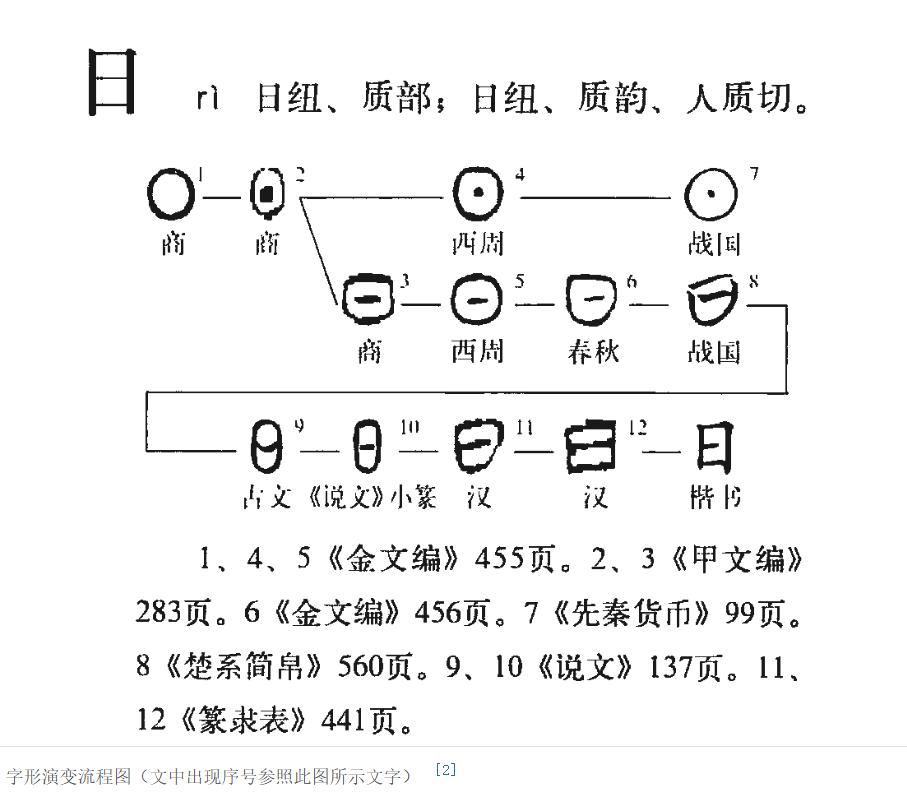
The sun we humans observe, the shape of the sun is as follows:
Having Dan:
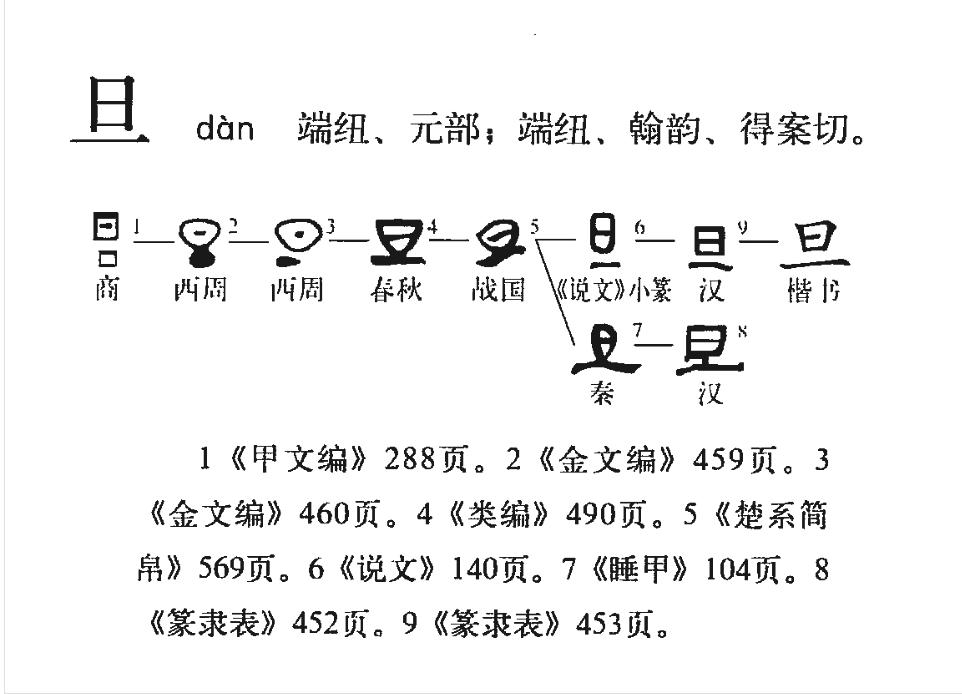
When there was time, it was very intuitive to see that the ancients had already calculated time during the Shang and Zhou dynasties:
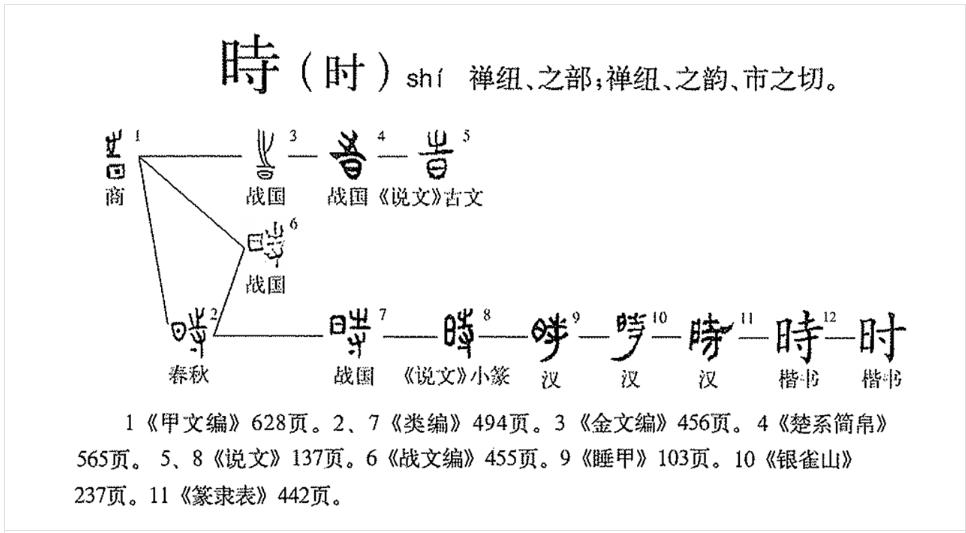
With the evolution of Chinese characters, we can see characters with the sun radical, and even if we haven't seen the character before, we can guess that it is probably related to the sun. Seeing characters with the three-dot radical, we also know that it is related to water. Those who understand Yin-Yang and the Five Elements can decipher the meaning of the characters.
Phonetic writing is different; if you don't know it, you simply don't know it. Many people can read and spell, but they don't understand the meaning. When people think, they encounter trouble, as they cannot form images in their minds. It is normal for Westerners to frequently experience reading difficulties. Phonetic writing lacks this connection to all things. When a civilization that uses phonetic writing perishes, a cultural gap emerges, making it difficult to reinterpret its history. In contrast, Chinese characters can be continuously traced back; we can understand the meaning of characters from thousands of years ago.
So some people say that in the West, writing is merely a 'sound' record of spoken language, with a gap existing between it and the material world. In contrast, Chinese characters are quite different from phonetic scripts; their pictographic, ideographic, and indicative functions establish a close connection between them and the objects or phenomena they represent.
For phonetic writing systems, words that refer to physical objects can be associated with images in the mind if people have seen the actual objects or viewed pictures. If they have not seen them, they cannot form mental images.
This is not too big of a problem.
What is the bigger issue? It is important to understand that beyond the material world, there exists a broader non-material world, and this world is a combination of the tangible and the intangible. How can non-material things, such as certain ideological, metaphysical, and abstract concepts—systems, economics, politics, culture—be visualized? Not to mention the Chinese concepts of benevolence, righteousness, propriety, wisdom, and trustworthiness, which are ideas about human nature that Westerners find difficult to comprehend. Therefore, even when Westerners conduct psychological research, they only study humans as objects, examining the structure of the human brain, gray matter, white matter, and the hippocampus, without elevating their understanding to the level of humanity. Westerners excel in studying tangible things, particularly in the realm of science, but in the intangible realm, even the most profound Western philosophers have a very shallow understanding of human nature.
The limitations of language and writing determine that Western civilization can only continuously expand in the realm of material power and the physical forces below it, making it difficult to ascend to the higher level of human resource power, let alone the cosmic and universal forces beyond human resource power.
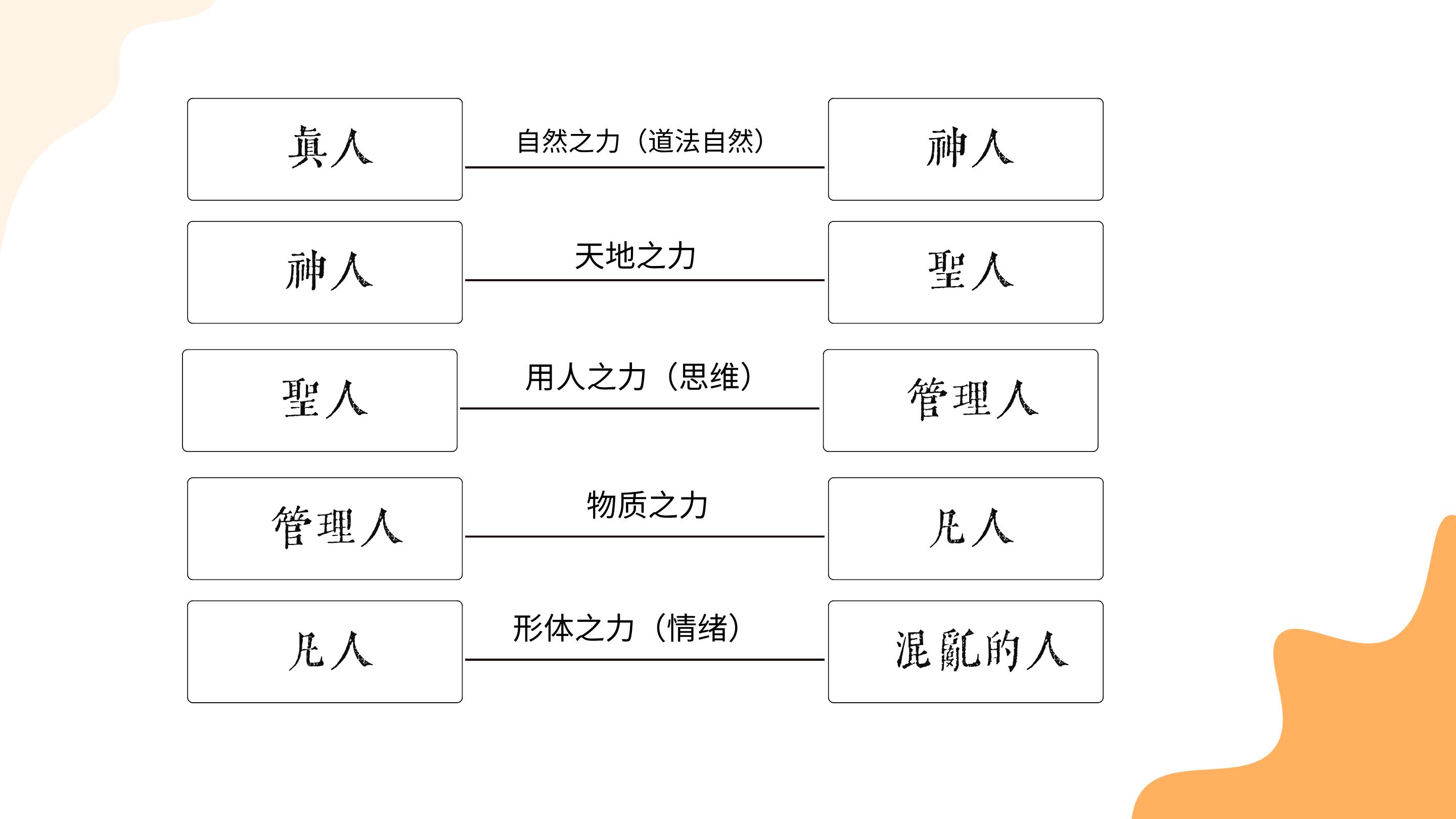
Using the strength of others and beyond is what we Chinese are best at.
From ancient times to the present, there have always been these things: heaven, earth, and humanity. The sun, moon, and stars in the sky; wood, fire, earth, metal, and water; spring, summer, autumn, and winter; wind, rain, thunder, and lightning. All things on the earth, changes based on weather, the twenty-four solar terms, the seventy-two pentads, and the customs, culture, and political-economic systems formed by humanity according to natural laws. All of these are condensed into Chinese characters. Chinese characters are square-shaped; each character is an image, a trigram, a situation, encompassing heaven, earth, and humanity.
Look at the nine-square grid below.
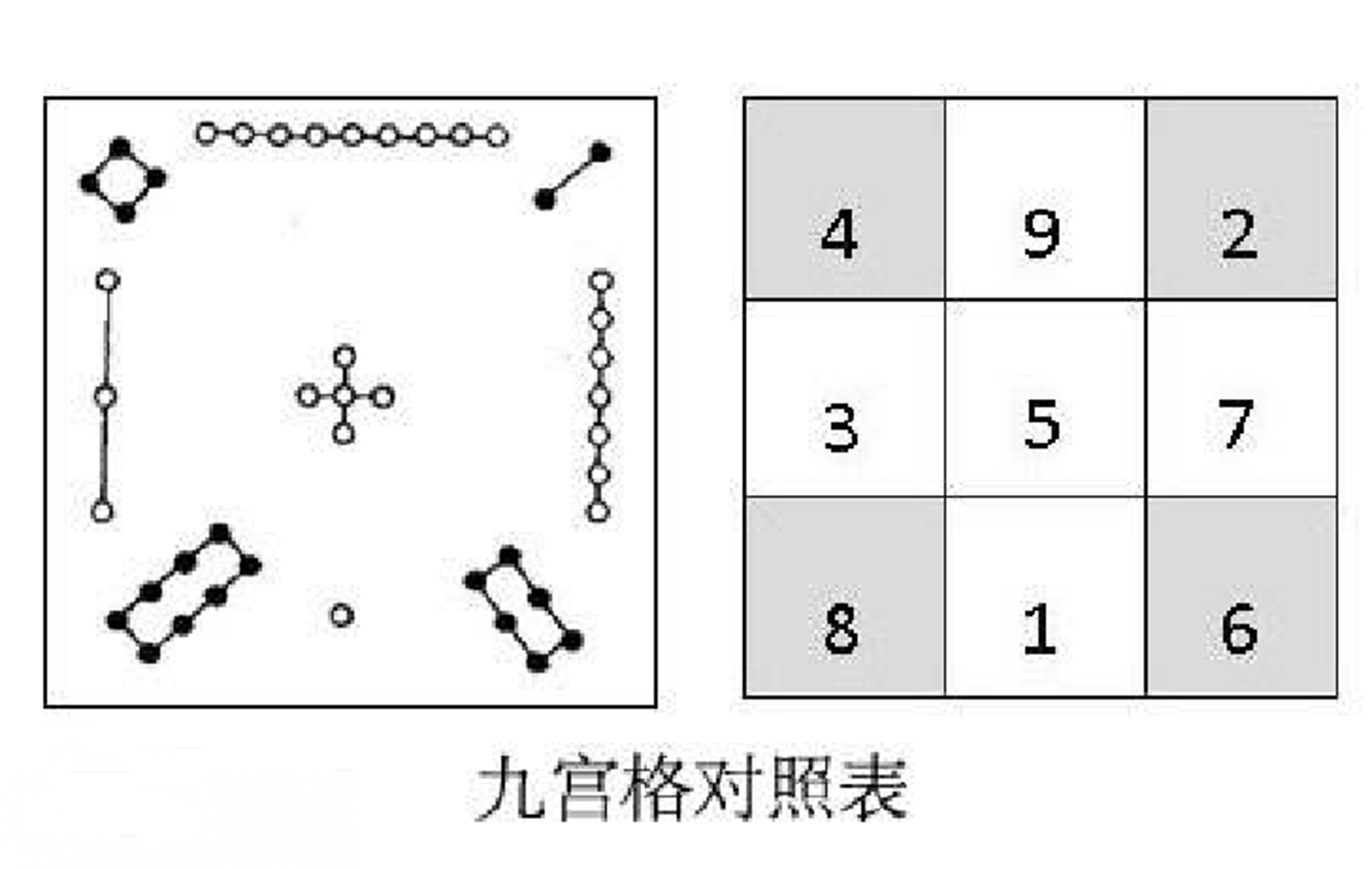
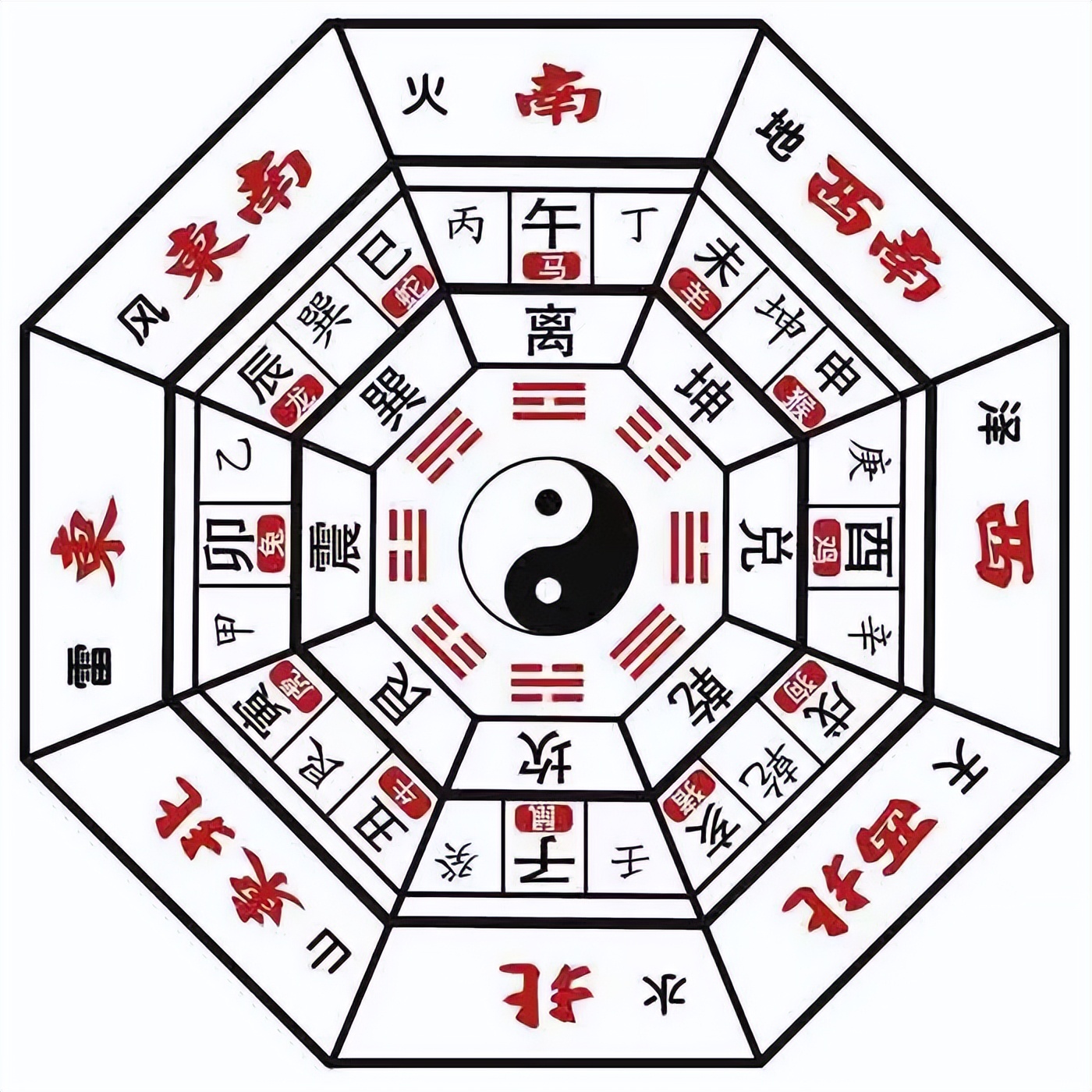
If a Chinese character has a left-right structure, the left side represents yang, the right side represents yin, with the left being empty and the right being solid, the left rising and the right descending, yang energy ascends while yin energy descends. If it has a top-bottom structure, the top represents yang, empty, and the bottom represents yin, solid. If it has a top-middle-bottom or left-middle-right structure, the middle represents the person.
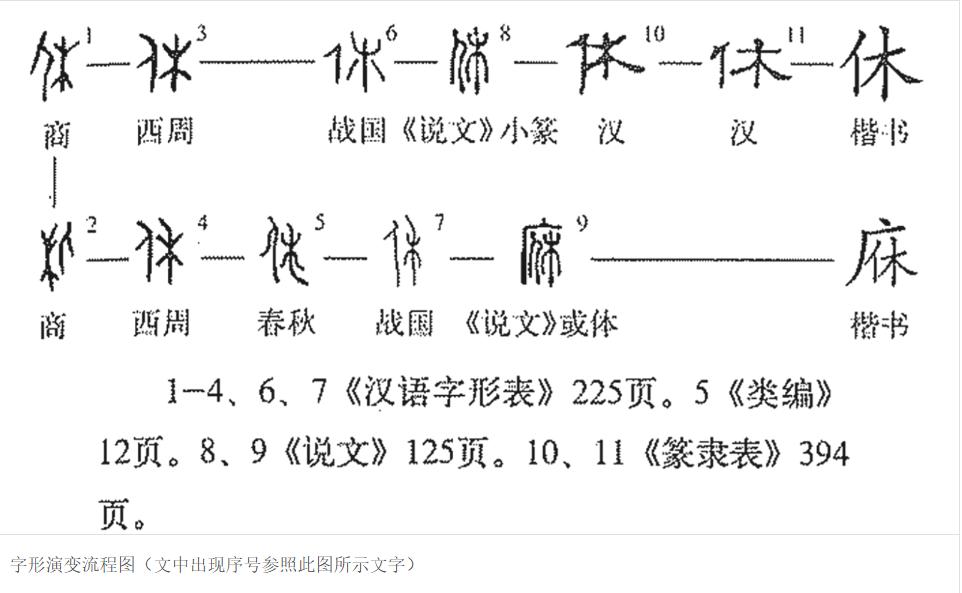
Put the character into a nine-square grid to observe. For example, the character 休, with a person on the left and a tree on the right, depicts a person resting against a big tree, which is a scenario.
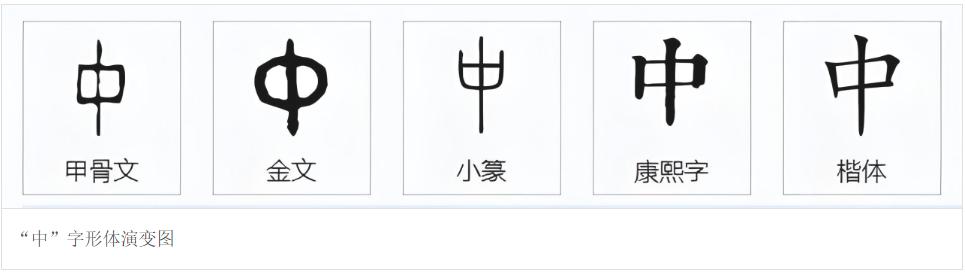
The Chinese character "中" has remained largely unchanged from oracle bone script to the present day. Even though some versions feature a flag, it does not affect the character's essence. The mouth is positioned in the center of the nine-square grid, representing the earth element. The vertical stroke in the middle connects the top and bottom, symbolizing the harmonious interaction of water and fire.
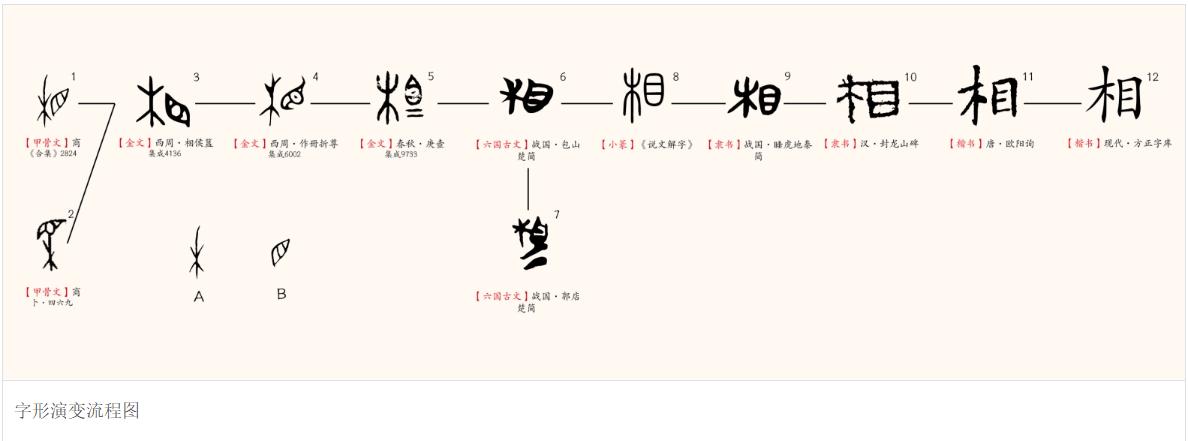
Xiangzi is a process from the virtual to the real, and if used as the term "cheng xiang," it means doing things that can be seen by others.
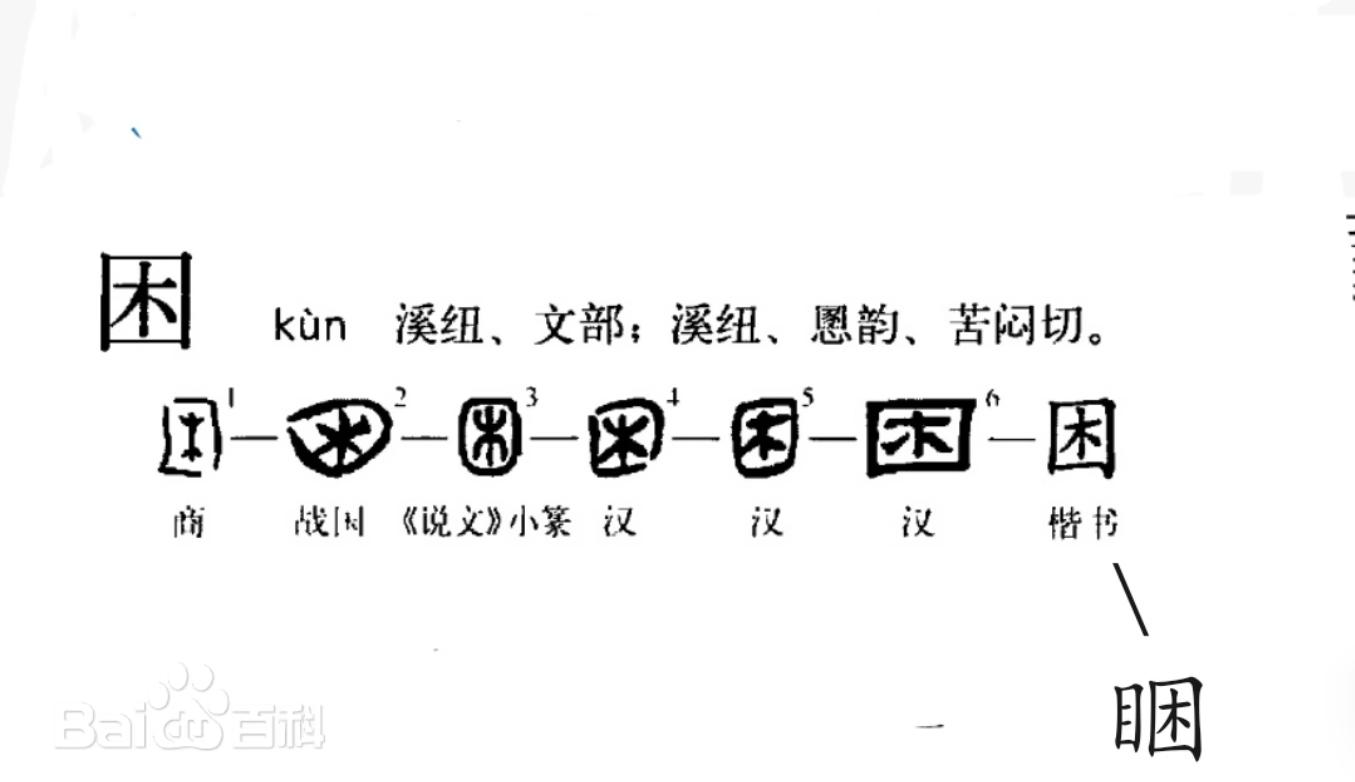
The character for "困" has no passage in any direction, east, south, west, north, or all around.
Chinese characters are well worth studying, but explaining the origins and meanings of characters is not my goal, so I won't go into too much detail here.
In ancient times, elementary school students had to learn characters, not only recognizing them but also forming images in their minds. They combined this with astronomy, geography, humanities, and allusions. For example, through the "Thousand Character Classic," they learned: "The sky is dark, the earth is yellow; the universe is vast and desolate. The sun rises and sets, the moon waxes and wanes; the stars are arranged in constellations. Cold comes and heat goes, autumn harvests and winter stores. Leap years complete the cycle, and musical tones harmonize with the sun. Clouds rise to bring rain, dew condenses into frost..." They came to understand all things in the natural world, the relationship between humans and nature, and the relationships among people. From small images, they formed grand concepts.
A Chinese painting is a poem, and a poem is a painting. When reading about withered vines, old trees, and crows at dusk, a small bridge, flowing water, and a household, an ancient road, west wind, and a lean horse, the sun setting in the west, and a heartbroken traveler at the edge of the world—this imagery is perhaps something only we Chinese can truly understand and appreciate the essence of.
Therefore, ancient Chinese people had a very strong ability to observe meaning and listen to imagery, and many possessed the fundamental skill of photographic memory. This is the innate advantage in writing that Chinese people possess.
When we Chinese think about problems, we use images to think and make comparisons. This way of thinking is extremely efficient. For example, in "Romance of the Three Kingdoms," when Liu Bei heard that Zhang Fei had beaten the Inspector, he had already predicted the outcome, and it was very accurate. So, when he came to stop Zhang Fei, he had already brought the official seal, took his two brothers, and resigned from his post. Liu Bei calculated and foresaw the development of the event based on the operating laws from its occurrence to its demise. You might recognize this as the ability of analogical reasoning. In fact, analogy is image comparison. However, analogy might overlook the details of the images. I did it this way the year before last, and I'm doing it the same way this year. If we use analogy, we are comparing vague concepts; if we use image comparison, we are comparing two pictures. Where these two pictures differ, and where they are the same, you are also very clear about what the past was like.
And those strategists, when employing strategies, must visualize them in their minds, considering the timing, geographical advantages, and human factors, and how to utilize them.
Chinese characters certainly have more advantages, which will not be elaborated here one by one. Fortunately, such precious Chinese characters were not abolished a hundred years ago, allowing us to communicate with ancient people from thousands of years ago in museums.
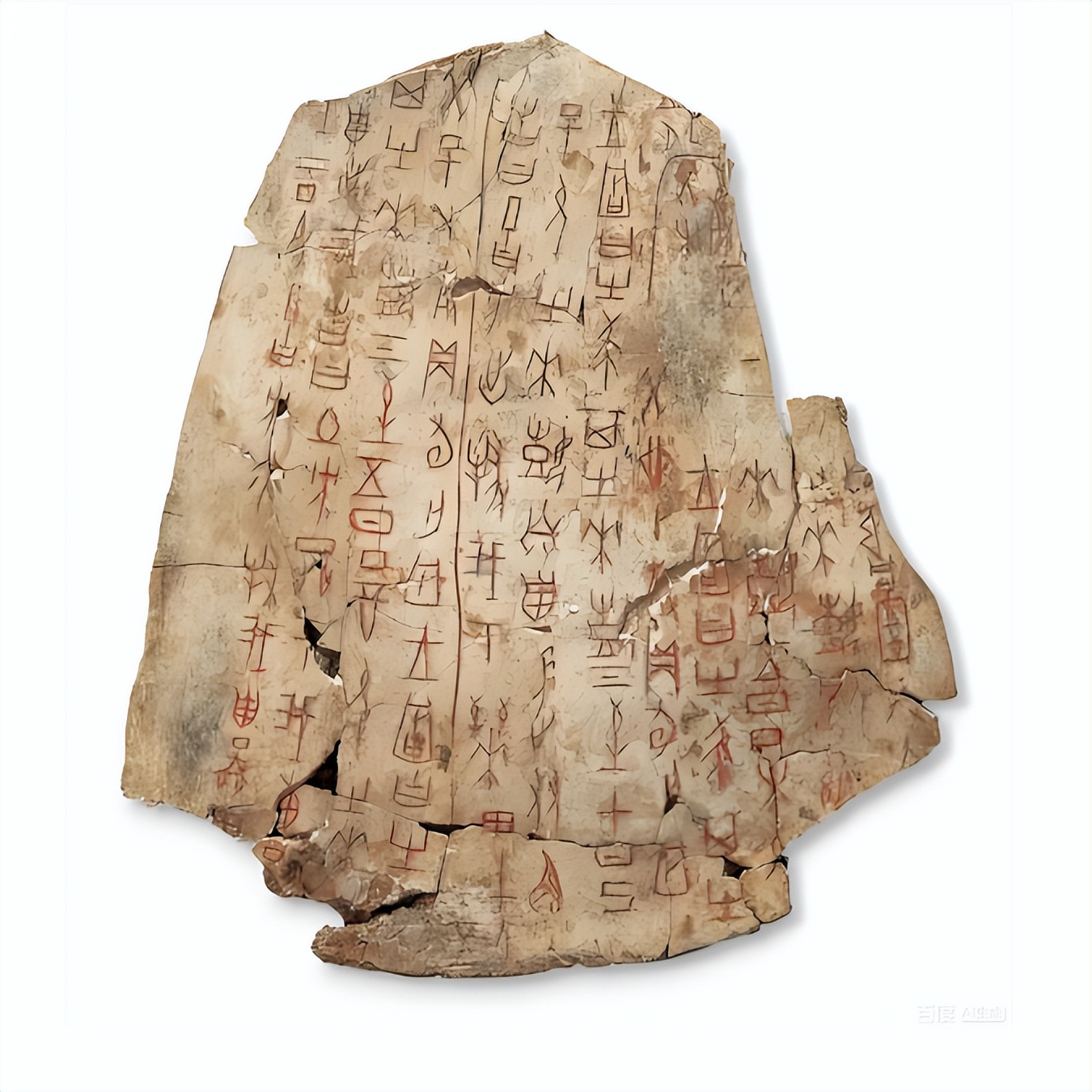
We can still receive greetings that transcend time and space: "We are Gongcheng De, who fished for the king, and the old general Man, now guarding the king's tomb. Greetings to the gentlemen of later generations!"