I. Chinese Pinyin Alphabet
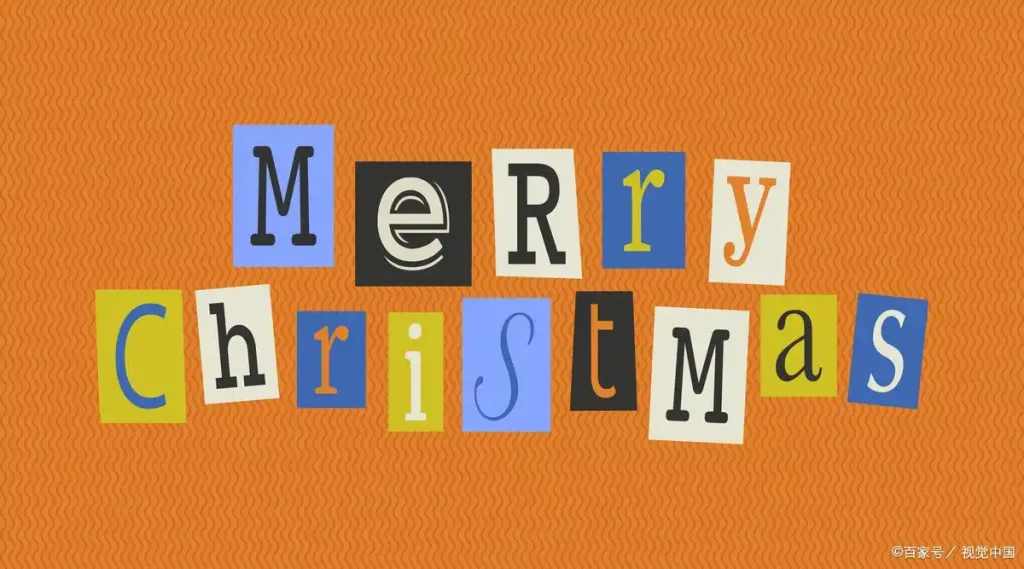
The Chinese Pinyin system consists of 26 letters, which are divided into uppercase and lowercase forms. Memorizing the alphabet is the first step in learning Pinyin well and serves as the foundation for literacy and dictionary lookup.
Two, Initials, Finals, and Whole Syllable Recognition
1. Initials (23): b, p, m, f, d, t, n, l, g, k, h, j, q, x, zh, ch, sh, r, z, c, s, y, w. Among them, "zh, ch, sh, r" are retroflex sounds, and "z, c, s" are alveolar sounds.
2. Finals (24):
Single Vowels (6): a, o, e, i, u, ü
Compound Finals (8): ai, ei, ui, ao, ou, iu, ie, üe
Front nasal finals (5): an, en, in, un, ün
- Back nasal finals (4): ang, eng, ing, ong
Special vowel (1): er (sometimes classified as a compound vowel, can only be used alone to annotate Chinese characters, cannot be combined with any initial consonant, pronounced softly when used as an erhua, written as "r")
3. Overall Recognition Syllables (16 in total): zhi, chi, shi, ri, zi, ci, si, yi, wu, yu, ye, yue, yuan, yin, yun, ying. Overall recognition syllables do not distinguish between initials and finals; they should be read as a whole directly.
III. Pinyin Rules and Techniques
1. Tone marking rules:
When initials are combined with single finals or nasal finals, the tone marks are placed on the vowels (a, o, e, i, u, ü).
When an initial consonant is combined with a compound final, the tone mark is placed on the main vowel (the vowel that is pronounced the loudest and has the greatest degree of mouth opening).
Tone marking method: first mark a, o, e, then mark i, u, ü; if encountering ui and iu, mark on the tail; light tone does not have a tone mark.
2. Spelling rules:
- When ü, üe, ün are combined with j, q, x, the two dots on ü are removed; when y is added before ü, üe, ün to form syllables, the two dots on ü are also removed.
When a tone mark needs to be added to the final "i", the dot above "i" should be omitted and not written.
When writing sentences in Hanyu Pinyin, words should be written together.
3. Usage of the syllable-dividing mark: When "a, o, e" serve as the beginning of a syllable and are connected to other syllables, a syllable-dividing mark (') is placed before a, o, e to separate syllables that are easily misread, such as "堤岸" spelled as "dī'àn".
4. Use of Capital Letters:
The first letter of a sentence or the first letter of each line in a poem is capitalized
Capitalize the first letter of proper nouns; for proper nouns composed of several words, capitalize the first letter of each word.
Chinese personal names are written with the surname and given name separated, with the first letter of both the surname and given name capitalized; pen names, aliases, etc., are handled in the same way as full names.
In Chinese place names, the specific name and the generic name are written separately, with the first letter of each part capitalized.
Titles, trademarks, and shop signs are generally written in all capital letters, or with the first letter of each word capitalized, and tone marks may be omitted.
Mastering these knowledge points can not only help children learn Chinese better, but also enable them to use Hanyu Pinyin more accurately in daily life. What problems has your child encountered while learning Pinyin? Feel free to share in the comments section and explore solutions together!
Statement: All opinions are personal insights, provided for reference and discussion only. For specific details, please refer to the official website announcements. The learning methods and effects mentioned in this article are solely personal experience sharing and do not constitute recommendations for any educational institutions or products.